The Strangest Thing We Ever Found — Why Oddities Can Be Worth a Fortune
Every antique dealer has a story that makes even seasoned collectors stop and stare. For us, it was the day we opened a dusty cabinet and found… a human brain in a jar of formaldehyde.
It sounds like the setup for a Halloween prank, but it was real. Preserved, labeled, and perfectly intact — a reminder that sometimes the line between art, science, and the macabre is thinner than we think.
When Strange Meets Valuable
Oddities like that aren’t just shock pieces — they can be surprisingly valuable historically and artistically. Collectors of anatomical and medical antiques often pay thousands for preserved specimens, vintage glass jars, and pathology teaching aids from the 19th and early 20th centuries.
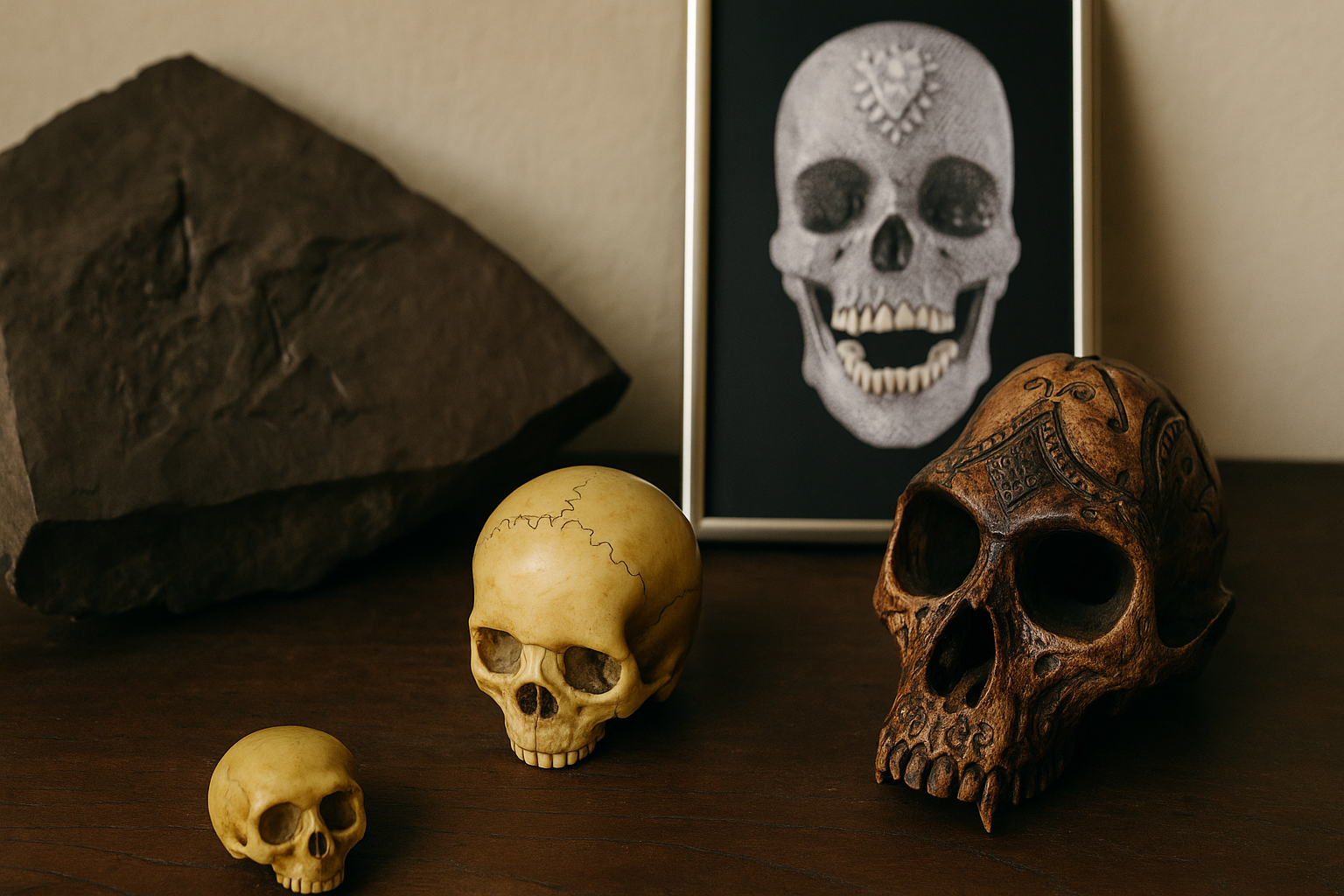
And it’s not just brains in jars. Skulls, fossils, and anatomical models have long held fascination across cultures:
- The diamond-encrusted skull by Damien Hirst, titled “For the Love of God,” sold for over $100 million, exploring the tension between mortality and excess.
- The Dayak and Naga tribes of Southeast Asia carved skulls and bones as part of ritual art — now highly sought after by collectors for their intricate craftsmanship and cultural heritage.
- Even fossils, like a simple fern imprint or a dinosaur footprint, can fetch impressive sums depending on age, rarity, and condition.
What ties all these together? Curiosity, mortality, and the human impulse to preserve what shouldn’t last.
Why People Collect the Macabre
Collectors of oddities often describe their passion as a mix of awe and reverence. A fossil connects you to life millions of years ago. A skull — human or carved — speaks to mortality and craftsmanship. And a brain in formaldehyde reminds us that science, like art, is a way of keeping life from disappearing entirely.
October is the perfect time to explore this fascination — when curiosity cabinets, skull art, and preserved specimens move from museum shelves into the public imagination.
The Lesson Hidden in the Strange
Not every strange find is valuable, but every one tells a story. The trick is knowing how to recognize meaning when you see it — whether that’s a $100 million artwork or an unassuming fossil on a shelf.
So next time you stumble across something odd, look twice. It might just be history — or art — looking back.