Spring has a way of exposing what we’ve been ignoring. Not just clutter—but the things we’ve kept, carefully, and then stopped using.
- A ring in a safe.
- Sterling Silver flatware wrapped in cloth.
- Artwork leaning in a closet.
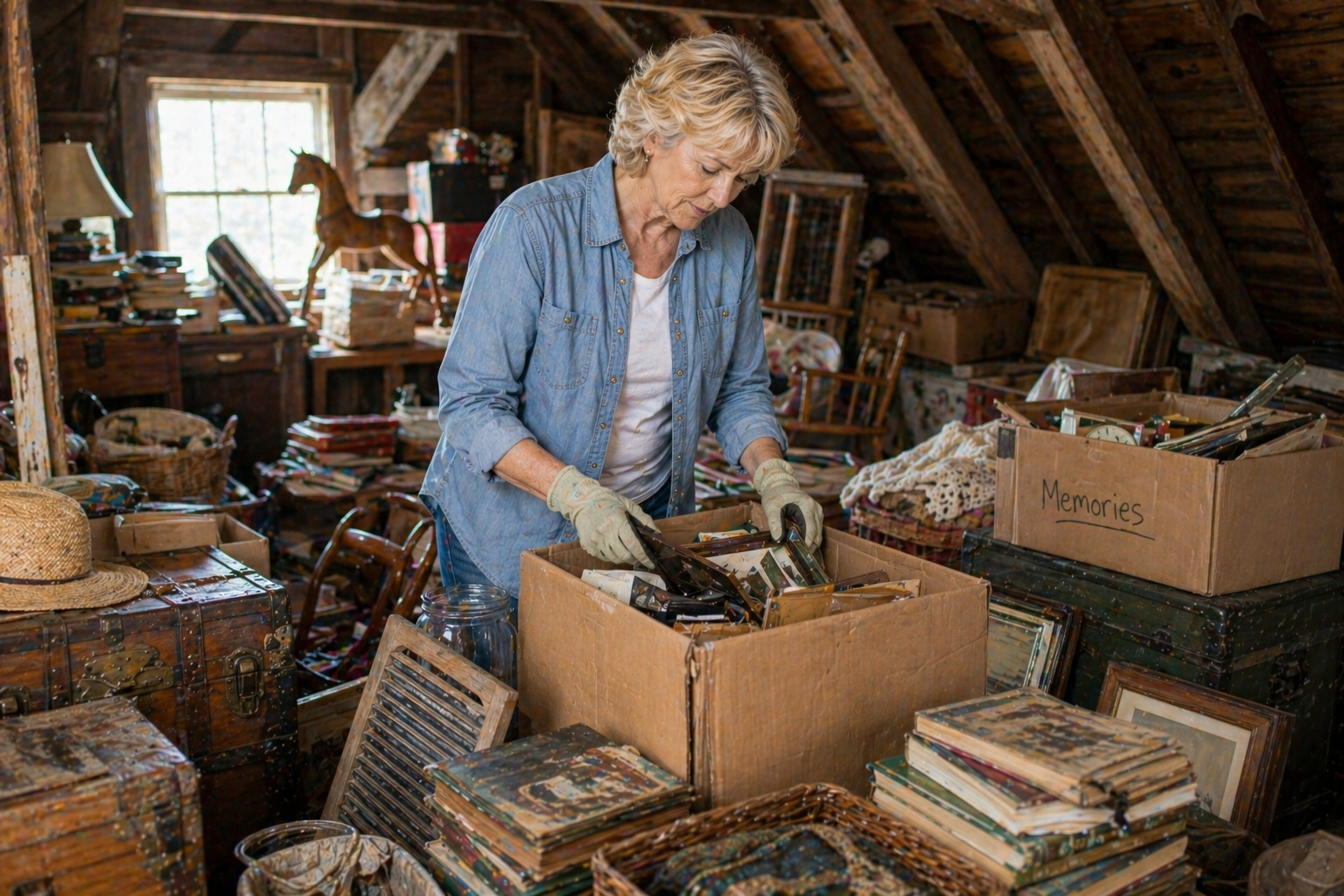
- A box of “good things” in the back of a cabinet.
- Items in a storage unit (costing money and sitting unused for “a rainy day.”)
These aren’t disposable items. They were chosen, gifted, inherited, or once loved. And now they’re inactive. That matters more than people think.
Unused Has a Cost
I see so many people in situations where they simply have too much. “ When something valuable sits unused, three things happen:
- First, it stops doing what it was meant to do. Jewelry is meant to be worn. Art is meant to be seen. Objects are meant to be part of a life.
- Second, it becomes invisible. Once something is stored, it quietly exits your daily awareness. It’s no longer part of your environment—or your identity.
- Third, it becomes dead weight—financially and psychologically. You may be insuring it, protecting it, or simply carrying the low-level awareness that “there’s something there I should deal with.”
That’s not neutral. It’s friction.
Why People Hold On Anyway
The reasons are almost always emotional, not practical.
- “I might use it someday.”
- “It was my mother’s.”
- “I don’t know what it’s worth.”
- “I don’t want to make the wrong decision.”
- “My kids will want these things in the future.”
All valid. None of them changes the current reality: it’s not being used. Keeping something unused doesn’t preserve its meaning. It just delays a decision.
Releasing Isn’t Loss—It’s Redistribution
There’s a more accurate way to think about letting something go. You’re not discarding it. You’re moving it back into circulation. There is an active market for:
- Fine and estate jewelry
- Antique and vintage silver
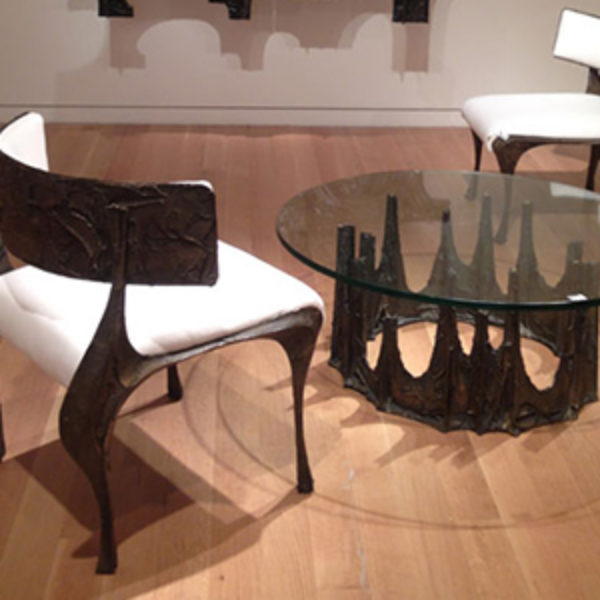
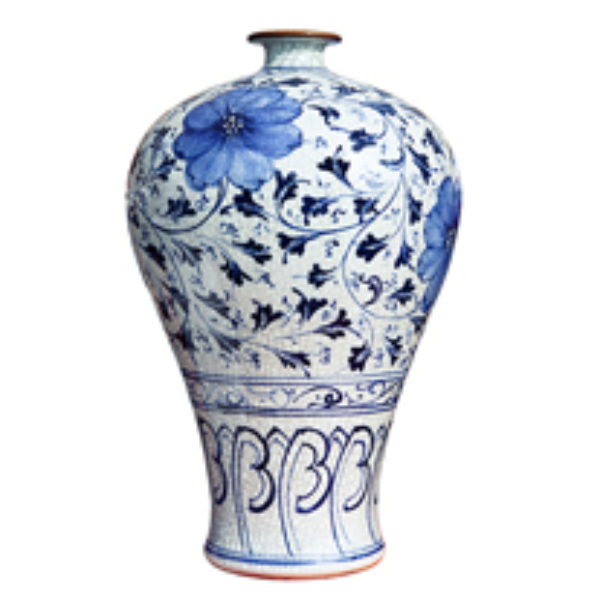
- Decorative objects and heirlooms
- Original artwork and prints
Buyers aren’t just looking for bargains. Many are looking for exactly the kinds of pieces people tend to store away. When an object leaves your drawer and enters someone else’s life, it becomes visible again. It’s worn, displayed, and used. That’s its purpose.
There’s Often Real Money Sitting There
This is the part people underestimate. Items that feel “old” or “unused” can still carry meaningful value. Sometimes a lot. Sometimes very little. But you don’t know until you ask. Meanwhile, that value is tied up:
- Not earning
- Not being enjoyed
- Not being used to support something more relevant to your life now
Spring cleaning isn’t just about space. It’s about reallocating resources—physical, emotional, and financial.
A Practical Way to Start
Don’t attempt a full purge. That’s where people stall. Pick one contained category:
- A single jewelry case
- One drawer
- One storage box
Look at each item and answer quickly:
- Do I use this?
- Would I choose it again today?
- If not, why is it still here?
You’re not deciding everything at once. You’re identifying what’s inactive. That’s the first step.
FAQs
How do I know if something is actually valuable? You don’t—at least not reliably—by guessing. Condition, maker, materials, and current market demand all matter. A quick evaluation by someone who understands the market is the only way to get a real answer.
Is it better to hold onto antiques because they’ll increase in value? Not necessarily. Some categories appreciate; many don’t. Markets shift. Tastes change. Holding something purely as an investment only makes sense if there’s clear, current demand—not just past value.
What if I’m worried about selling something too cheaply? That’s a valid concern—and a reason to get informed before acting. Understanding approximate value and your selling options (auction, private sale, consignment) prevents rushed decisions.
What if it has sentimental value but I don’t use it? Then it’s worth separating the memory from the object. Keeping one or two meaningful pieces is different from keeping everything. The question isn’t “Was this important?”—it’s “Is this part of my life now?”
Is it disrespectful to sell inherited items? No. Objects don’t carry respect by being stored. If anything, allowing something to be used and appreciated is a more active form of respect than keeping it unseen.
Where do I even begin if I have a lot of items? Start small and get a sense of what you have. Then bring in someone who can assess and guide you. The biggest mistake is doing nothing because it feels too big.
The Bottom Line
If something valuable isn’t part of your life, it’s not serving you. And you’re not serving it either. Spring cleaning, at its best, isn’t about getting rid of things. It’s about deciding what actually belongs in your life now—and letting the rest move on.