
George Nakashima Furniture: Identification, Value & Selling Guide
Looking to Sell George Nakashima Furniture?
 Whether you’ve inherited a George Nakashima table, are downsizing, or are settling an estate, determining the best way to sell an important piece isn’t always straightforward.
At Syl-Lee Antiques, we’ve helped families, collectors, estate executors, and homeowners evaluate and sell high-quality furniture for decades. Some Nakashima pieces are ideal for private purchase, while others may achieve stronger results through auction. Our goal is to help you understand what you own and recommend the best-selling method for your specific piece.
Have a Nakashima piece? Call us or email clear photographs of:
- The entire piece
- The underside
- Any signature or inscription
- Any labels
- Original receipts or paperwork (if available)
About George Nakashima
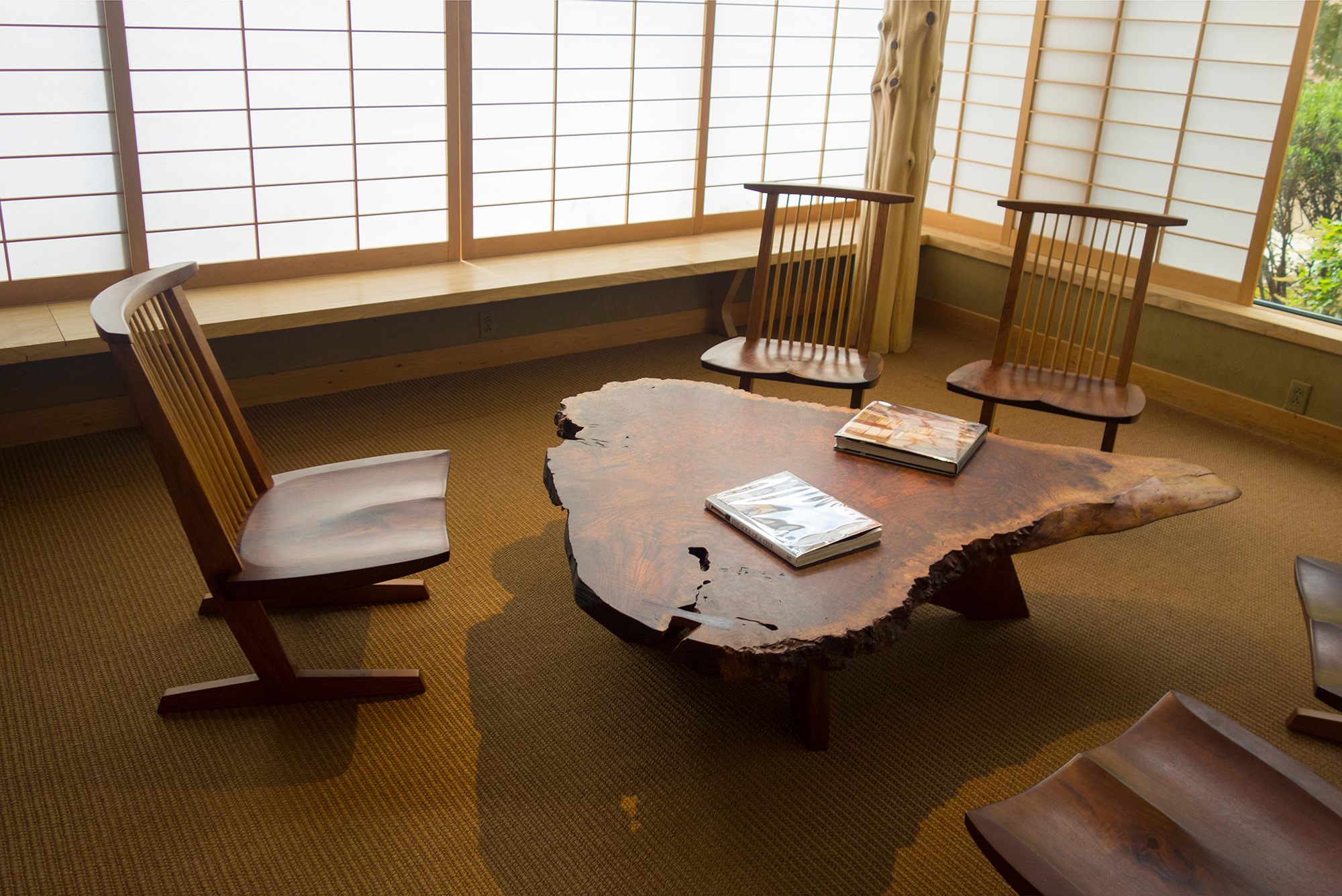
George Nakashima is widely regarded as one of the most influential American furniture makers of the twentieth century. Blending traditional Japanese woodworking techniques with modern American design, he transformed natural slabs of wood into functional works of art.
Rather than hiding the natural character of the wood, Nakashima celebrated it. Live edges, dramatic grain, natural imperfections, and butterfly joints became hallmarks of his work and continue to make his furniture highly sought after by collectors around the world.
Today, authentic George Nakashima furniture remains one of the strongest segments of the American studio furniture market.
Three Things I Look For First
When someone contacts me about a George Nakashima piece, there are three things I immediately ask about.
- Is it signed? Many authentic pieces bear a signature, brand, or shop marking depending on when they were produced.
- Is there a client’s name underneath? One detail many owners overlook is that custom-commissioned Nakashima furniture was often marked with the original client’s name on the underside. People sometimes assume this writing was added by a previous owner, but it may actually be an important part of the piece’s provenance.
- Do you still have the paperwork? Original invoices, order information, photographs, or family history can all add valuable context and may increase buyer confidence.
How to Identify Authentic Nakashima Furniture
Authentic pieces often feature:
- Exceptional black walnut or other premium hardwoods
- Natural live edges
- Beautiful bookmatched slabs
- Butterfly joints (“butterfly keys”)
- Outstanding craftsmanship
- Original finish
- Signature or shop markings
- Excellent proportions and balance
While these characteristics are common, no single feature guarantees authenticity. Many reproductions imitate the overall appearance.
What Makes Nakashima Furniture Valuable?
Several factors influence value.
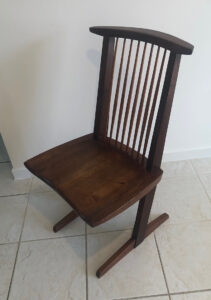
- Design: Certain dining tables, desks, benches, Conoid chairs, and rare custom commissions are especially desirable.
- Size: Larger dining tables often attract significant collector interest.
- Wood Figure: Highly figured walnut and dramatic natural slabs generally command stronger prices.
- Provenance: Original documentation, family history, and client inscriptions can increase desirability.
- Condition: Collectors generally prefer original finishes. Refinishing may reduce collector value, so it’s often wise to seek expert advice before making any changes.
Before You Restore Anything
One of the biggest mistakes owners make is refinishing a Nakashima piece before learning its market value.
While refinishing may seem like a way to improve appearance, collectors frequently prefer furniture that retains its original finish and patina. Cleaning and conservation are very different from complete refinishing.
If you’re considering restoration, it’s often worth getting an opinion first.
Watch my video about a Nakashima dresser that originally sold for $275 and is now worth up to $40,000:
Should You Sell Privately or Through Auction?
Every Nakashima piece is different.
Some examples are excellent candidates for private purchase, while museum-quality or especially rare examples may perform exceptionally well at auction.
Factors we consider include:
- Rarity
- Condition
- Provenance
- Current collector demand
- Overall quality
- Recent market activity
Our goal is to help you choose the approach that makes the most sense for your situation.
Thinking About Selling Your George Nakashima Furniture?
Whether you’re selling a single table, furnishing an estate, or downsizing an entire home, Syl-Lee Antiques can help.
We purchase select pieces directly and can also recommend an auction when it’s likely to produce a stronger result.
If you’d like an initial opinion, email us photographs showing:
- Front
- Back
- Underside
- Signature
- Labels
- Any original paperwork
We’ll review your photos and discuss the options available.
Frequently Asked Questions
- Is all Nakashima furniture signed? Many authentic pieces are signed or marked, but markings vary depending on the period and workshop practices.
- Does refinishing reduce value? In many cases, yes. Original finishes are often preferred by collectors.
- Is the client’s name underneath important? Yes. A handwritten or inscribed client name may be original to the commission and can contribute to the piece’s provenance.
- Do you buy George Nakashima furniture? Yes. We purchase select George Nakashima furniture and can also advise when auction may be the better option.
Contact Syl-Lee Antiques
If you’re considering selling George Nakashima furniture, we’d be happy to review photographs and discuss your options.