
Stolen from a Long Island Estate, Found on Madison Avenue
What happened in a Madison Avenue rare-books shop the day someone walked in with a $2 million volume and no way to prove it was theirs.

What happened in a Madison Avenue rare-books shop the day someone walked in with a $2 million volume and no way to prove it was theirs.
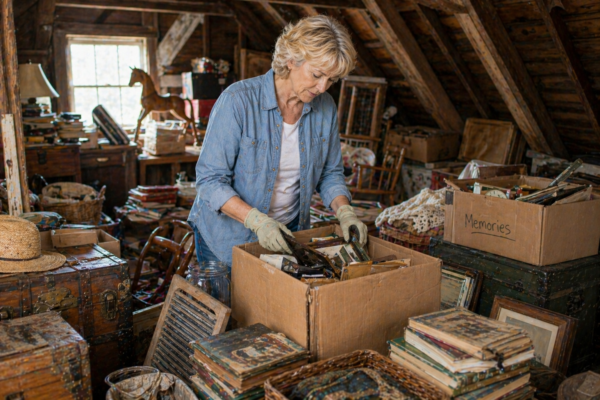
Spring has a way of exposing what we’ve been ignoring. Not just clutter—but the things we’ve kept, carefully, and then stopped using.
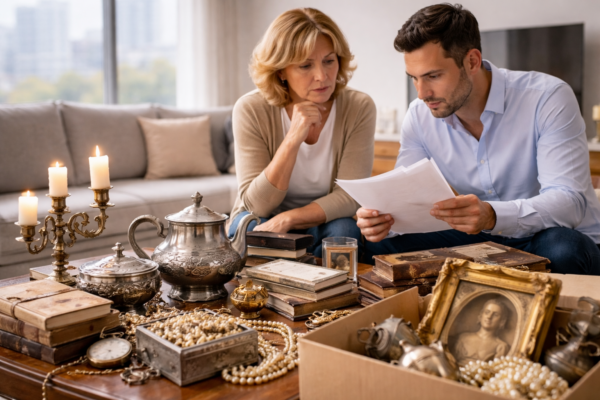
If you care about your legacy — not just the objects, but the emotional impact you leave behind — this is a conversation worth having now.
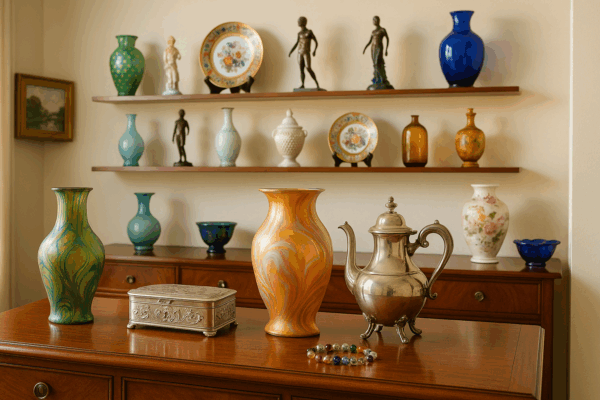
I recently had an appointment on the North Shore of Long Island with a gentleman and his wife who owned one of the most beautiful collections I’ve seen in a while — art glass, porcelain, bronzes, jewelry, silver. Walking into their home felt like stepping into a private museum. Every shelf glimmered with pieces that had clearly been chosen with care.

Thanksgiving does something funny: it exposes which heirlooms people actually care about — and which ones they absolutely don’t.

Every antique dealer has a story that makes even seasoned collectors stop and stare. For us, it was the day we opened a dusty cabinet and found… a human brain in a jar of formaldehyde.

Thinking of selling your fine art, antiques, collectibles, or jewelry at auction? Before you dive in, it’s essential to understand precisely how the process works—the costs, the risks, and the outcomes you might face.
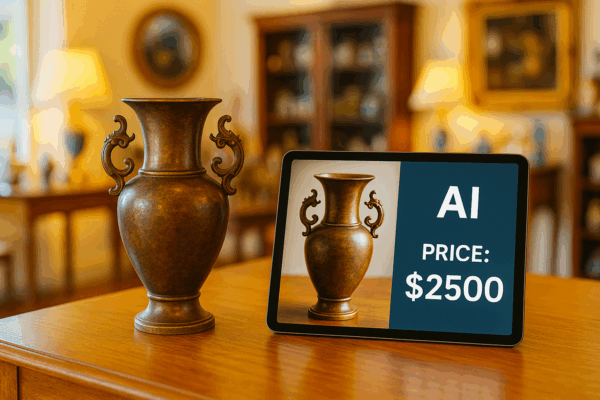
Whether you’re curious about the history of a family heirloom or trying to figure out what that market stall “treasure” might be worth, AI tools can give you fast, detailed answers. But like with any tool, it’s important to understand both the pros and the cons before relying on them.
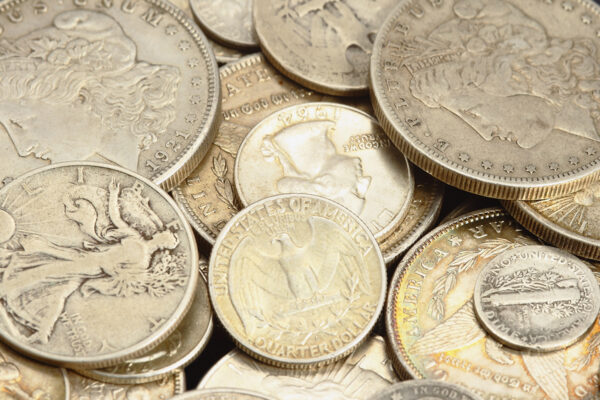
Every week, we meet people who uncover a jar, bag, or box of old coins. Most of the time, the coins aren’t neatly displayed or in pristine condition. And yet, some of them could be worth far more than face value.
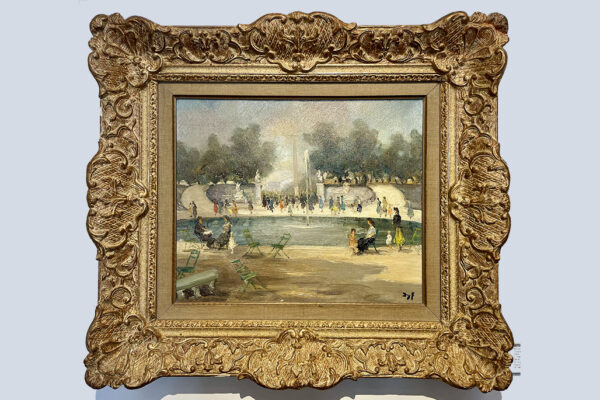
You’re on a cruise, you’ve had a few cocktails, the sun is shining. You wander into one of those onboard art auctions and suddenly you’re raising your paddle for a Picasso. It’s got a certificate! It must be worth something, right?

Being named the executor of an estate sounds like an honor — a sign of trust from a loved one. But for many people, especially during emotional times, it becomes a complicated, time-consuming responsibility.

When the stock market takes a hit or inflation eats away at the value of the dollar, gold prices often surge. But why does this happen?
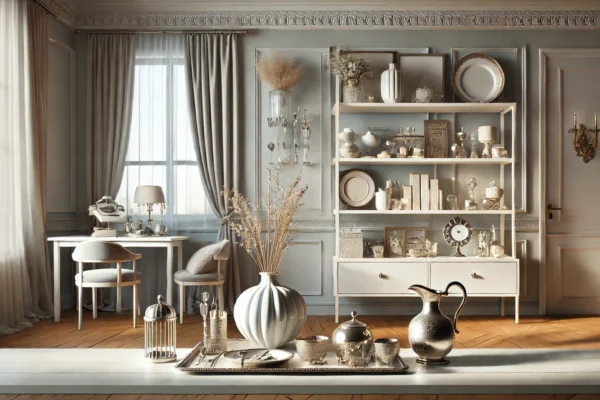
Finding creative ways to access additional funds can provide much-needed relief and even open doors to new opportunities.

Purchasing something on a whim or with great deliberation can make us feel happy and content, at least for a short time. But that happiness may soon dissipate, and in its place, you may experience “buyer’s remorse.”

When you've made big or small decisions, remorse can creep in and undermine your satisfaction with your action. For instance, in our business, some sellers will regret that they sold an antique almost immediately after the sale has been completed.
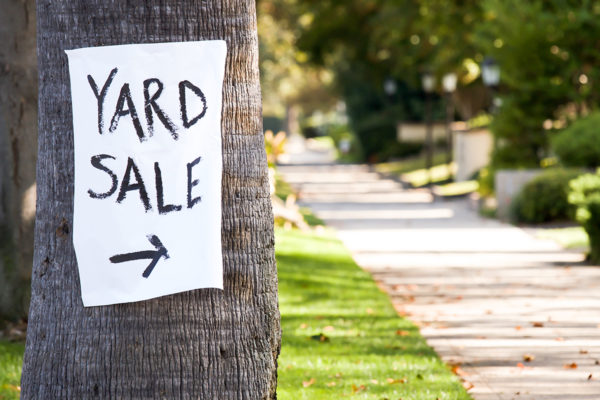
Before you fill your leisure time with sun and surf, let’s not forget about yard sales and tag sales.

After more than 40 years in business, we can still be surprised at how and where we find antiques and other items of value.

It’s not surprising that the real estate market in New York and Long Island is very hot. Correspondingly, the antiques market is also hot…
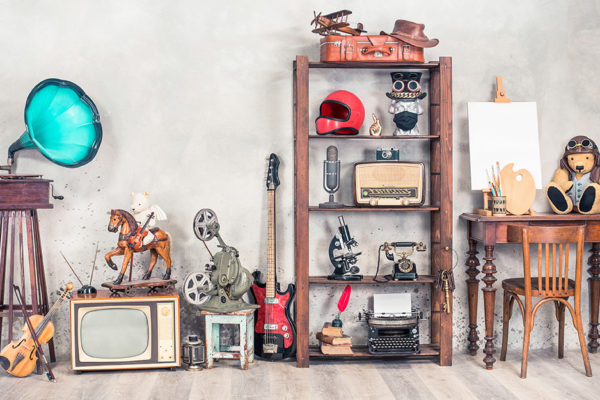
The following steps can help you save time and money if you’ve been left potentially valuable antiques or heirlooms, as well as assist in avoiding disputes that can undermine your family bond forever.

I know I might be repeating myself, but I practically gasp each time I see that we are on the cusp of 2022, not that it’s a moment too soon, of course. I’m always excited and optimistic about the year ahead and this year, even more so.

What happens if you’ve put items up for auction and they didn’t sell? There can be several reasons that items you’ve put up for auction didn’t sell. It might be that the item was priced too high, the item was repaired, or in some situations, the item is a copy.

Are you planning a move? Here are some of the questions you should be asking yourself.

What’s important is knowing the “provenance” or the background of an item. Has the item been passed down by a relative? Do you know the “history” of the item and is it verifiable?
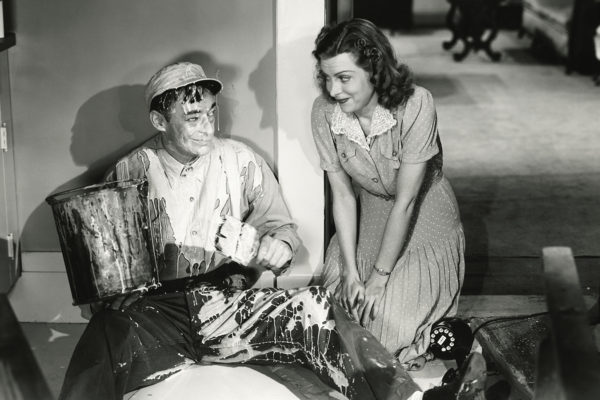
While perhaps not as physically taxing as building a firepit, I can tell you many stories about the perils and pitfalls of DIY antique sales, because, in all honesty, it’s difficult to assess value by yourself and without training or experience.

It’s that time of year again when people’s thoughts turn to Spring cleaning, and while it might not be enjoyable when it is going on, the end results certainly bring pleasure.

At Syl-Lee we also know that at the start of Spring, people begin to think seriously about organizing, donating or selling items they no longer need or want.

Are you thinking about moving? People start to contemplate the thought of moving when the end of Winter is in their sightlines, and even though the flowers aren’t blooming yet in the Northeast, we hope that Spring will be here soon.
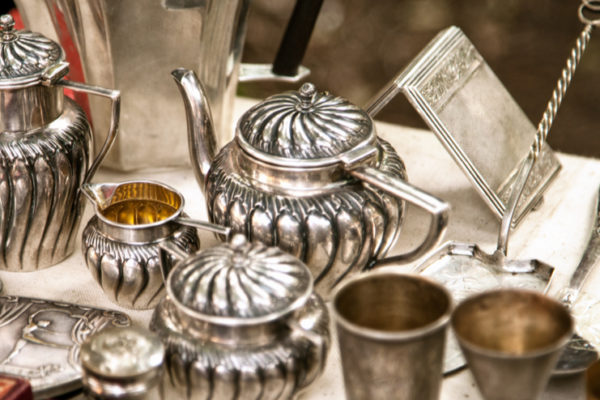
A New Year is here and many of us are evaluating the objects in our homes, the things we have collected over the years or were handed down by our parents and grandparents and asking ourselves what do I wish to keep and what do I wish to sell.

For many of our customers, connecting with us is the very first time that they find themselves buying or selling an antique or collectible. There’s a bit of intimidation stepping into the unknown and, of course, they are concerned about money, as in spending too much or getting too little.

Anticipating a move often prompts stress and anxiety. Did I make the right decision, will I like my new place, or can I get everything organized in time for the big day are just some of the things that can make you feel uneasy.
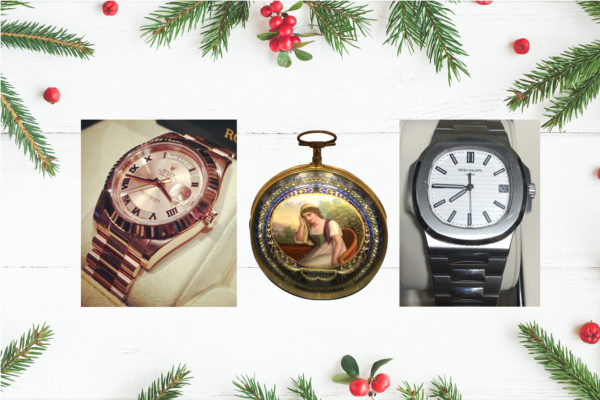
I know, I know, I’m pushing the season way too soon, BUT, I must tell you that it’s time (or maybe “almost” time) to start thinking about holiday shopping. Sure, the holidays are going to be a lot different this year. Families and friends have to figure out how to gather safely and will probably have to curtail the number of people that are invited to any get-togethers.

We all know the cliché “timing is everything” and it’s true even when you’re thinking about selling your antiques. Just because you’ve cleared out a closet, basement, drawer, or an entire room and have accumulated what you hope is a treasure trove of items to sell, doesn’t mean that you would want to do so all at once.

It’s a sensitive subject, isn’t it? You have “stuff” that you purchased with love and good intentions, or perhaps your “stuff” was handed down from beloved family members. In either case, there is significant sentimental value.
Right now, yes, right now, we are starting to see some relief and positive changes as we continue to navigate through the COVID-19 pandemic that pretty much changed everything in our personal and professional lives.
Life as we formerly knew it just mere weeks ago has radically changed and a timeline for a return to “normal” is pretty much unknown. I’ve been receiving many calls and texts from people that are taking this time at home to take a better look at “what they have” with the thought that some of the items might be of value.
Here are answers to some questions that I get asked quite a lot. Feel free to contact me if you have other questions that I might be able to answer for you!

Maybe you’ve been collecting watches for years or have one special watch that you no longer want. Or perhaps you have inherited a single watch or a collection from a family member that has passed. In any case, you’ve decided that you are not interested in keeping the watch/es and are seeking to sell them.

Maybe you’ve been collecting watches for years or have one special watch that you no longer want. Or perhaps you have inherited a single watch or a collection from a family member that has passed. In any case, you’ve decided that you are not interested in keeping the watch/es and are seeking to sell them.
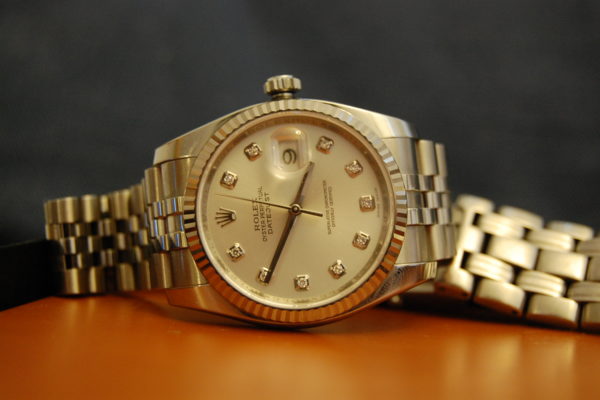
Maybe you’ve been collecting watches for years or have one special watch that you no longer want. Or perhaps you have inherited a single watch or a collection from a family member that has passed. In any case, you’ve decided that you are not interested in keeping the watch(es) and are seeking to sell them.
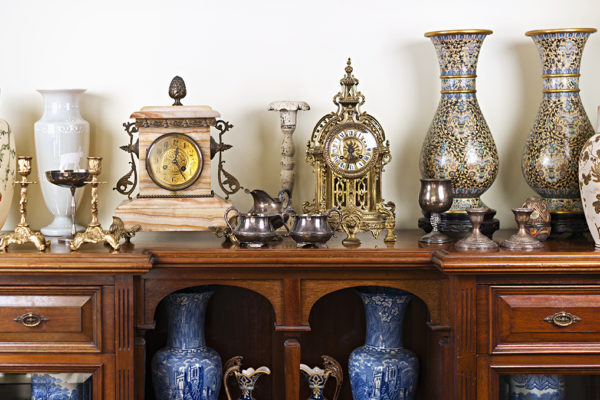
Does this sound familiar? Some years ago you bought some antiques, perhaps not as an investment but because you liked the idea of collecting and even more importantly, you liked the pieces themselves and enjoyed displaying them in your home. Or perhaps, you didn’t buy the antiques but instead, you inherited them from someone else. Can you relate?